HVAC Mold: What You Need to Know, Part 2
In Part 1 of HVAC Mold: Here Is What You Need to Know, we discussed key mold prevention and control tips for your home’s HVAC system. We provided key details on how to keep mold growth to a minimum and have the healthiest possible system. In Part 2, we will discuss what to do if you find mold in your HVAC unit and your mold remediation options.
What Happens Next If You Have HVAC Mold?
So you had someone tell you that they found mold in your HVAC system. First, don’t panic! Mold has a really bad reputation, and people tend to assume the worst when initially finding out about a mold issue in their home. Don’t get us wrong, mold can cause serious health symptoms and problems. However, this often depends on various contributing factors and is never just as simple as “having mold”. The amount of mold and time of exposure can play a big role in those symptoms and health issues.
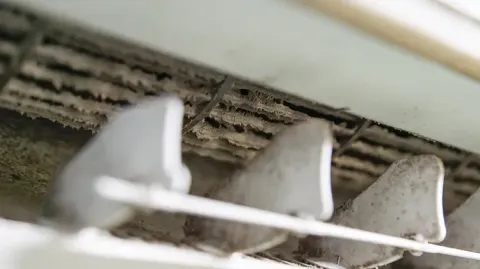
Mold within an HVAC system can impact the indoor environment in significant ways. More so than visible mold growth on surfaces in the home, mold found in the airflow of your home’s system can be a serious problem. If you have reason to believe your health is at risk, do not hesitate to first contact your doctor or health care provider and follow their advice.
Second, a mold remediation plan is a must. Consider deactivating the system until the mold is removed. Depending on how you are being impacted, continuing to use the system can increase the risk of affecting you and/or your family’s health.
Is HVAC Mold a DIY Situation?
Minor mold growth can often be a DIY situation. We have guides to help you with various scenarios. With a little bit of elbow grease, the right cleaners, and some knowledgeable direction, you can solve many mold problems faster and easier than you would anticipate. However, mold growth on the interior of your HVAC system can often exceed the skill or comfort level of the average homeowner, and professional help is needed. Unless you’re comfortable with opening the air handler cabinet and removing the blower or other components as needed, correcting an interior problem can be challenging.
It is very important to remember safety first! Working around electrical components can be risky with water-based cleaners, so always disable the power to the system prior to attempting any cleaning. Make sure you have gloves and a mask to protect yourself from directly touching or inhaling the mold. Even if mold hasn’t caused any immediate health effects in the past, it doesn’t take much time or cost to avoid contact and lower your risks of getting sick or having a reaction.
Vacuuming up surface growth with a HEPA vacuum is generally the first step, followed by spraying and wiping hard surfaces with a sanitizing cleaner like Lysol. Removal of paper labels or other heavily contaminated parts may be needed. Ductwork can be vacuumed and treated from the interior, but only as far as your equipment will reach. If the ductwork is impacted beyond a few feet, you may have to replace it. This is especially true of duct board type ducts, which are composed of fiberglass filaments that can hold onto mold even after cleaning.
Don’t Be Afraid to Seek Out Professional Mold Remediation Services
Many homeowners tend to find mold in their HVAC system unexpectedly, after it has grown out of control. Whether the mold is discovered by accident or during maintenance, it is always a good idea to get an expert mold removal specialist’s advice on how to tackle the problem. Mold can grow in hard-to-reach areas that sometimes require a mold remediation expert to minimize the damage and costs with their special tools and techniques. Some scenarios require the use of an HVAC contractor, a duct cleaner, or coordination of multiple specialties to adequately resolve the problem.
Indiana Mold Remediation has been serving Indiana homeowners since 2001. We understand that mold can be scary and overwhelming, so we are here to help. If you suspect you may have mold in your home, contact us today for a free 15-minute virtual inspection.