4 Tips to Prevent & Stop Mold From Spreading
Mold. A word that many fear.
When growing in a controlled environment, mold can be quite helpful. For example, mold is needed to make cheese, penicillin, and other antibiotics, and it is the source of many other useful things. In the outdoor environment, mold helps decompose organic matter and is part of the ongoing cycle of life. However, if mold grows unnoticed and uncontrollably in your home, school, or office, it can be a serious problem.
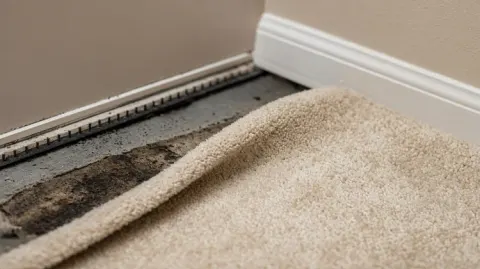
Mold has a bad reputation, and it’s easy to understand why. Molds are known allergens and can pose additional health risks to certain individuals depending on their level of exposure and sensitivity. Mold spores transport and transfer easily on air currents, and they grow anywhere and everywhere at a rapid pace when adequate moisture or water is present. We can find mold growing on clothes, food, carpets, and even in places not visible to us on a daily basis: inside or under walls, ceilings, flooring, attics, and crawl spaces. It can be a very difficult and expensive problem to fix.
While neither you nor your home will ever be “mold-free,” you can take steps to prevent mold growth in your home and avoid putting you and your family at risk. The best mold prevention strategy always centers on moisture control and cleaning. Here are 4 tips from Indiana Mold Remediation to help control and prevent mold.
1. Identify IF Mold Is Growing
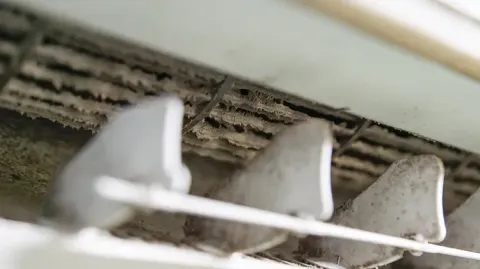
To correct a mold problem, you first must identify if and where the moisture problem is. A visual inspection is the first recommended course of action before spending any money on mold testing. If you have visible mold present, testing would likely not be needed to create a plan of action. A thorough visual inspection should help you identify what is going on in your home or business regarding water and drainage, airflow in the building, and the general state of any appliance or equipment that could be (or become) a potential mold problem.
If you find mold, it is best to address the issue as soon as possible. Mold can spread quickly if underlying moisture issues are not resolved, so time is already not on your side. Now is the time to act. Mold remediation may be costly upfront, but it will help save money from costly future damage or health problems if the mold continues to spread and grow.
2. Monitor Humidity and Prevent Moisture Indoors
The EPA recommends keeping indoor humidity between 30 and 60 percent. Some mold experts would limit the desired humidity levels in a home to under 45 percent to prevent mycotoxin production (mold toxins) and discourage the growth of molds that need less water to grow. Measuring your home’s humidity is an essential mold precaution and can be done inexpensively with a humidity gauge purchased from most hardware or department stores.
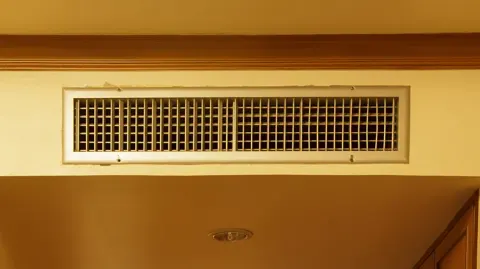
Pay attention to condensation on windows, pipes, or walls; it could be a sign of high humidity in the home. Make sure you have proper ventilation in high-moisture areas like the bathroom, kitchen, and laundry area. This is essential for preventing buildup of moisture in areas of high water use. Keep these areas dry and clean to reduce the possibility of mold. Annually check air conditioning units, humidifiers, and dehumidifiers to make sure they are functioning properly.
3. Work Toward Making Your Home Mold-Resistant, Not Mold-Free
As we stated above, neither you nor your home can ever be “mold-free,” but making your environment as mold-resistant as possible is key. Equip your home or office with mold-resistant products. This is definitely something to think about when planning any renovations or construction phases. Removing mold from walls is tough. Mold-resistant drywall, sheetrock, baseboard, and paints are great mold prevention resources and can make the difference between moldy walls and clean ones. Install these mold precautions in high-moisture areas throughout the home or office to discourage mold growth.
Some essential-oil formulations have shown antifungal effects under specific study conditions. A 2022 chamber study found reduced viability of airborne Aspergillus flavus spores using an essential-oil gel. A 2024 study tested thyme formulations by nebulization for air and by direct contact for surfaces. These findings don’t establish that ordinary home diffusion prevents mold growth or replaces moisture control and cleaning. Cleaning is essential in preventing mold growth. Even a damp area that is kept clean can avoid significant mold problems. Regular dusting, vacuuming, and wiping of surfaces is often the difference between a healthy and unhealthy home.
4. Know Your Surrounding Outside Environment
While you focus on visual inspections and cleaning indoors, remember there are key precautions to put in place outdoors as well to help with water and moisture control. Know your surrounding climate and what the outdoor humidity levels are like. Listening to or reading allergen reports from weather forecasters can help determine if it’s a good day to open windows and doors or better to keep them closed.
Direct any rain or groundwater away from your home or business with downspout extensions or exterior drainage. Make sure that gutters are cleaned and functioning properly. If there is a moisture problem in your crawl space, it is likely to impact your home. Consider additional drainage, airflow, dehumidification, or encapsulation (wrapping in plastic) of the crawl space to prevent groundwater evaporation into the interior of the home.
Don’t Panic
Lastly, no matter what you find, don’t panic! There are a lot of horror stories where mold is concerned, and it can be an overwhelming issue. However, there are great mold remediators and removal companies that can help you turn your home or office into a safe zone.
Indiana Mold Remediation has been serving Indiana homeowners since 2001. A free 15-minute virtual inspection can help you assess how severe the problem is and what preventative measures can be put into place. Contact us today!